
Influencer strategy seems to be one of the pillars of social media marketing. There are many questions about how to identify, reward and empower influencers. So let’s say you have identified the top 1000 influencers in your space. And then what? It reminds me of the U2 song that goes “We thought we had the answers….it was the questions we had wrong”.
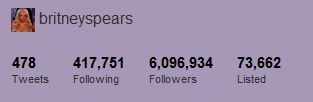
What is an influencer? Often an influencer is measured in terms of the number of friends of twitter followers. Fans and followers are a measure of reach or popularity, not influence, but it is related.
A definition of Influencer Marketing
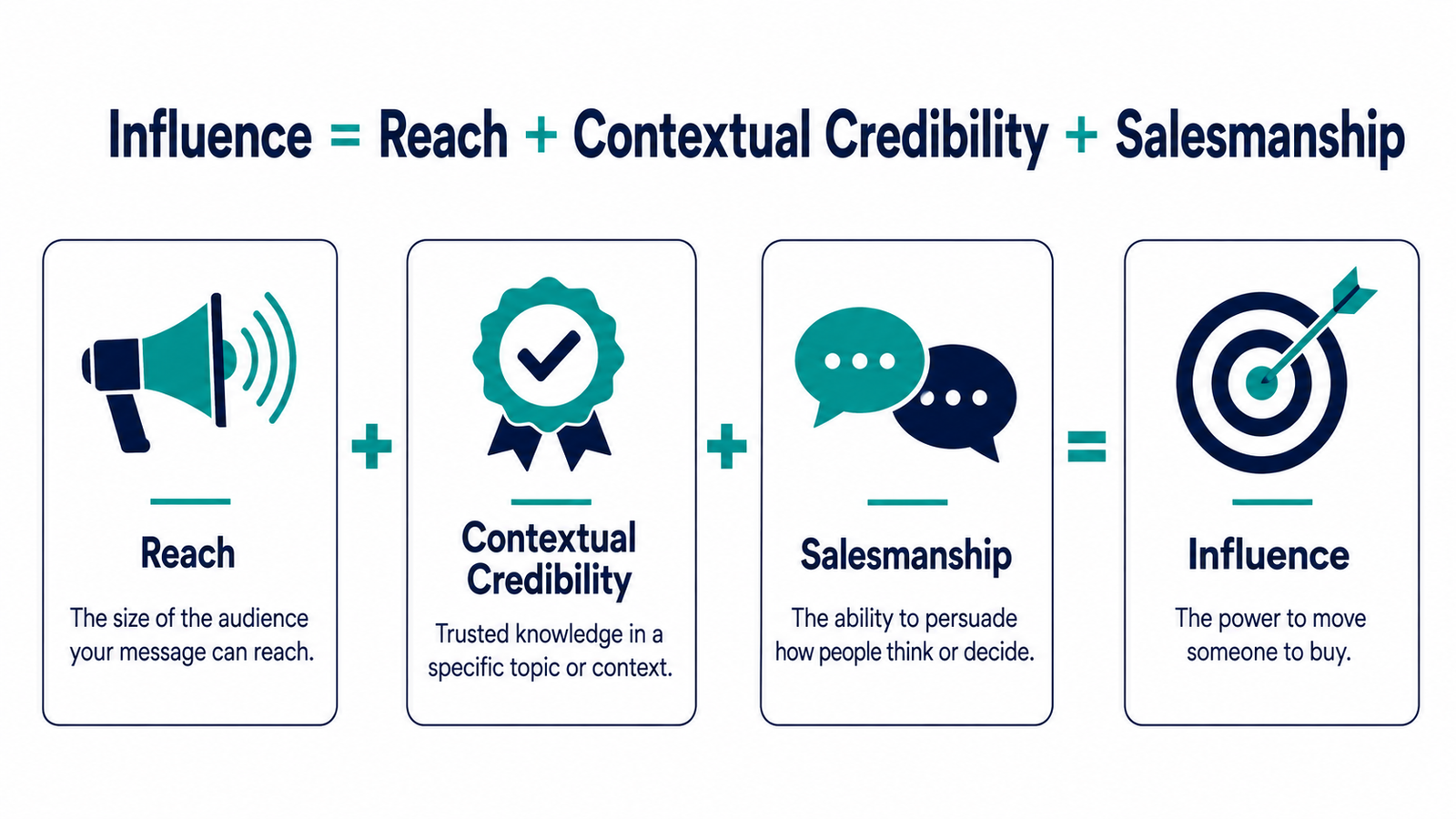
Influencer marketing is the discipline of identifying and building relationships with the people who have a disproportionate ability to shape how others think and buy — not because they’re popular, but because they combine three key factors: reach, contextual credibility, and salesmanship.
Unlike traditional advertising, which tries to persuade the masses impersonally, influencer marketing works through personal relationships with a smaller group of people whose opinions others already trust. For a deeper look at influencer marketing and how to identify real influencers, see PR in the Digital Age: Welcome to Influencer Marketing.
Getting Influencers Wrong
“influencer” is not a label for people in general. It’s not a species. There is no influencer gene that I know of. People have different levels of influence in different topics, it is contextual. For example, I am an influencer when it comes to photography, but a normal guy when it comes to sports and very much not an influencer in terms of cosmetics.
How do I know I am an influencer in the context of photography? Because many of my friends and colleagues have purchased digital cameras based on my recommendations. Many people I don’t even know have done the same – people I have never met, never exchanged emails with, people that don’t follow me. How? I have influenced them because they have read my opinions online and relied on my knowledge to make a buying decision. They trust me because I am a regular consumer, like them, and I have lots of passion and experience about photography.
All consumers, myself included, avoid or ignore advertising. When exposed to advertising most people don’t believe what it says. Grab a photography magazine and look at the ads: all of them say their cameras are awesome. People don’t trust marketers. But they trust people like them. They will be influenced by other customers who have experience with the products they are considering. People who like talking about their experiences, share their knowledge and opinions are advocates.
The most common influencer strategy is to find the top influencers and reward them for their advocacy. Depending on the nature of your business, this could be a good strategy – or not. Often these customers, identified as influencers, are already predisposed to buy. Surely they deserve some recognition and special treatment, and you must empower them to be advocates. However, you cannot influence the influencers easily. They are experts; they know their stuff and probably know more about your products than most people in your company.
Here is an interesting idea: instead of finding influencers why don’t you create influencers. Or better said, you can turn a customer who is very satisfied into an advocate by empowering him or her to influence others.
Imagine you are in the banking business. Now imagine you have a customer that is really happy with your checking account, the service from your credit card and your credit services. This customer is willing to tell other people about how great your bank is.
Imagine how powerful it would be to put this customer in a center of a room full of customers who are interested in checking accounts. Imagine if he had the ability to share his experience with your bank, in his own words, to all these potential customers. That would be really powerful, right? This room full of prospects is your website, they are visiting the “checking accounts” page, or the “credit cards” page. They are interested in your services, why else would they be there?
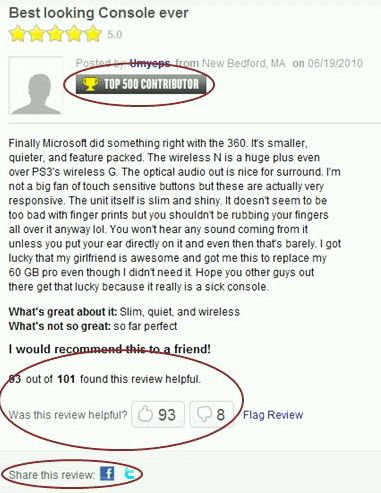
That’s the power of empowering customers to share opinions and experiences (what we at Bazaarvoice call reviews and stories). They allow customers to become influencers, enabling “normal” people to become advocates for your brand, in a very authentic and very convincing way. By enabling this conversation on your site, on your product or service pages, you are creating an influencer strategy that results in more sales. It’s a proven system.


A great thing about a customer influencer strategy is that you don’t even have to find these influencers. You don’t have to identify them or know their name or pamper them with special treatment. However, you can still recognize them. You can give the more influential customers a badge that recognizes their contributions or their expertise.

And this recognition can be helpful for customers. It helps them find among dozens of other customer opinions and give content to these opinions. In fact, customers can vote on the helpfulness of other customers contribution and sort them based on their helpfulness. The helpfulness votes help identify the most influential customers, those that write reviews that help customers make decisions, which earn them badges in turn.
All these pieces work together to promote advocacy, identify and recognize influencers in a way that helps customers buy. This system of advocacy and influence is customer centric, customer-driven and helps customers. Except for the sales, which benefit you and your business.
How to turn customers into influencers:
- Give reach to people who don’t have their own audience. Most satisfied customers have no blog, no following, and no platform. You can provide the traffic and exposure to their influence. Give them a voice. Empower them to become advocates.
- Let contextual credibility surface on its own. Don’t assign expertise, instead let it emerge. A customer who writes detailed, specific articles or reviews about a particular use case is demonstrating contextual credibility. Find these authors and turn them into influencers.
- Verify the source to protect credibility. Tag reviews as “verified buyer” or “verified customer”. Your credibility will collapse if readers suspect the opinion isn’t authentic or paid for. Be transparent.
- Recognize salesmanship without paying for it. Some customers are simply more persuasive writers than others. Use badges or reputation levels to reward the contributions that demonstrably help other customers decide, not the ones that are just longest or most frequent. Microsoft created the Microsoft created the MVP Program to recognize independent technology experts who share deep technical knowledge with local and online communities. Influencers are often driven by status: recognition is more important than rewards
- Let readers vote credibility and salesmanship into rank. Helpfulness votes let your community of users itself decide whose contributions they find most useful. This approach is more reliable than any internal guess at who your top influencers are.
- Track sales impact, not follower count. The only real measure of influence is whether a review or contribution is associated with a buying decision. That’s the ultimate KPI to focus on, not likes or shares.
- Don´t confuse correlation and causation. Your most influential customers are already predisposed to buy from you
Conclusion
The lesson here isn’t that influencers don’t matter. It’s that you don’t need to chase them, bribe them, or artificially create them. Every business with a good product already has customers who are satisfied enough to become advocates; the job of an influencer strategy is to give them the platform, the recognition, and the reason to speak up.
One Reply to “Building an Effective Influencer Strategy”
Comments are closed.