Most companies that want to charge more simply raise the price and hope the market doesn’t notice. It notices. A premium position isn’t a number on an invoice — it’s a set of decisions about who you serve, what you make them feel, and how consistently you prove it back to them. Get those decisions right, and price stops being the thing customers argue about.
Here’s the framework, expanded from a talk I gave to the American Marketing Association in Austin, with a bit more mileage on it since then.
1. Premium is a segment decision, not a features decision
Building a premium product starts with a choice most companies avoid: which customers you are willing to lose. A premium position comes from focusing on the segment that gets disproportionate value from what you do — and pricing to match that value, not your cost structure. Add-more-features is a commodity strategy wearing a premium costume; real premium positioning narrows the target before it raises the price.
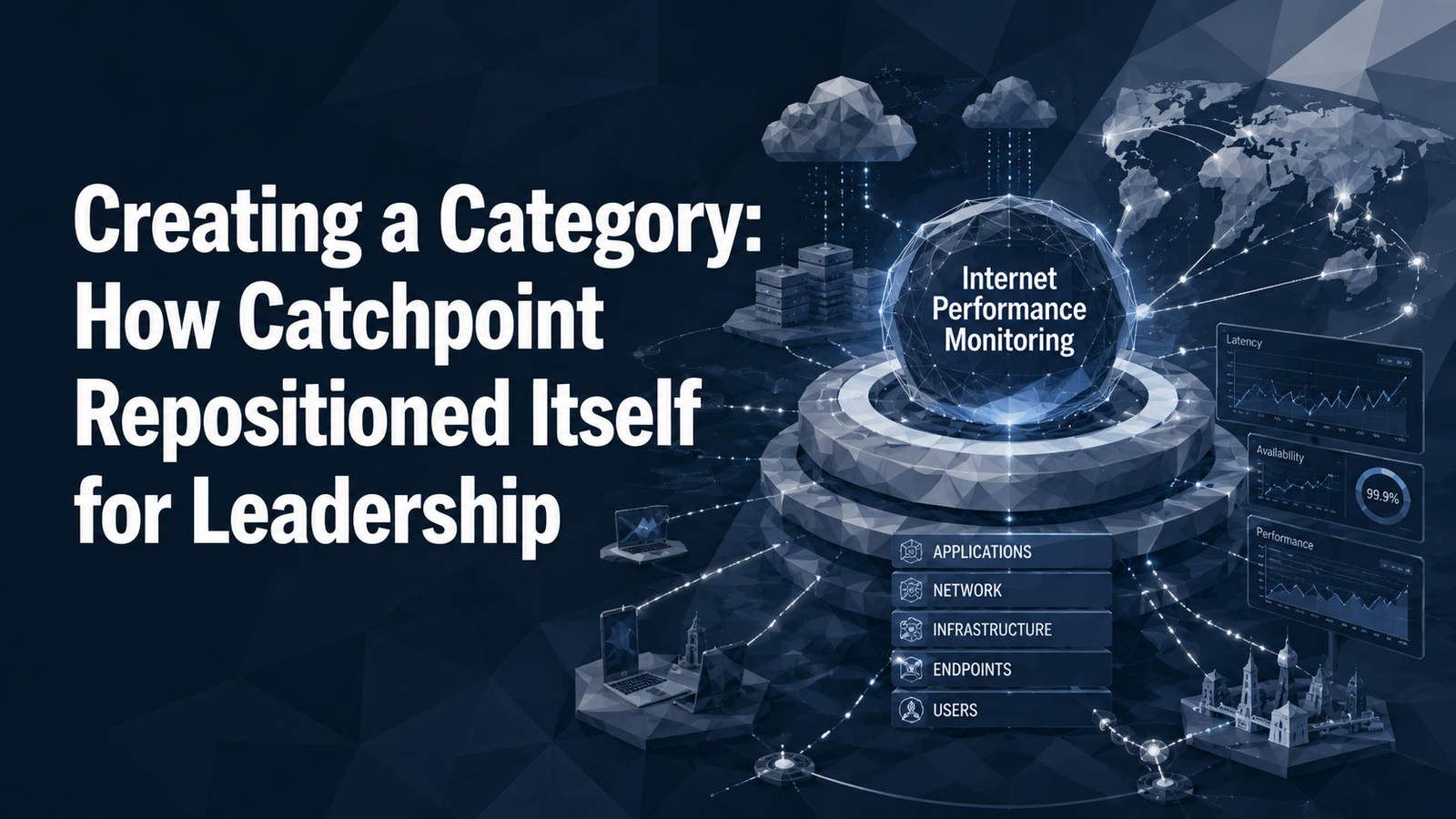
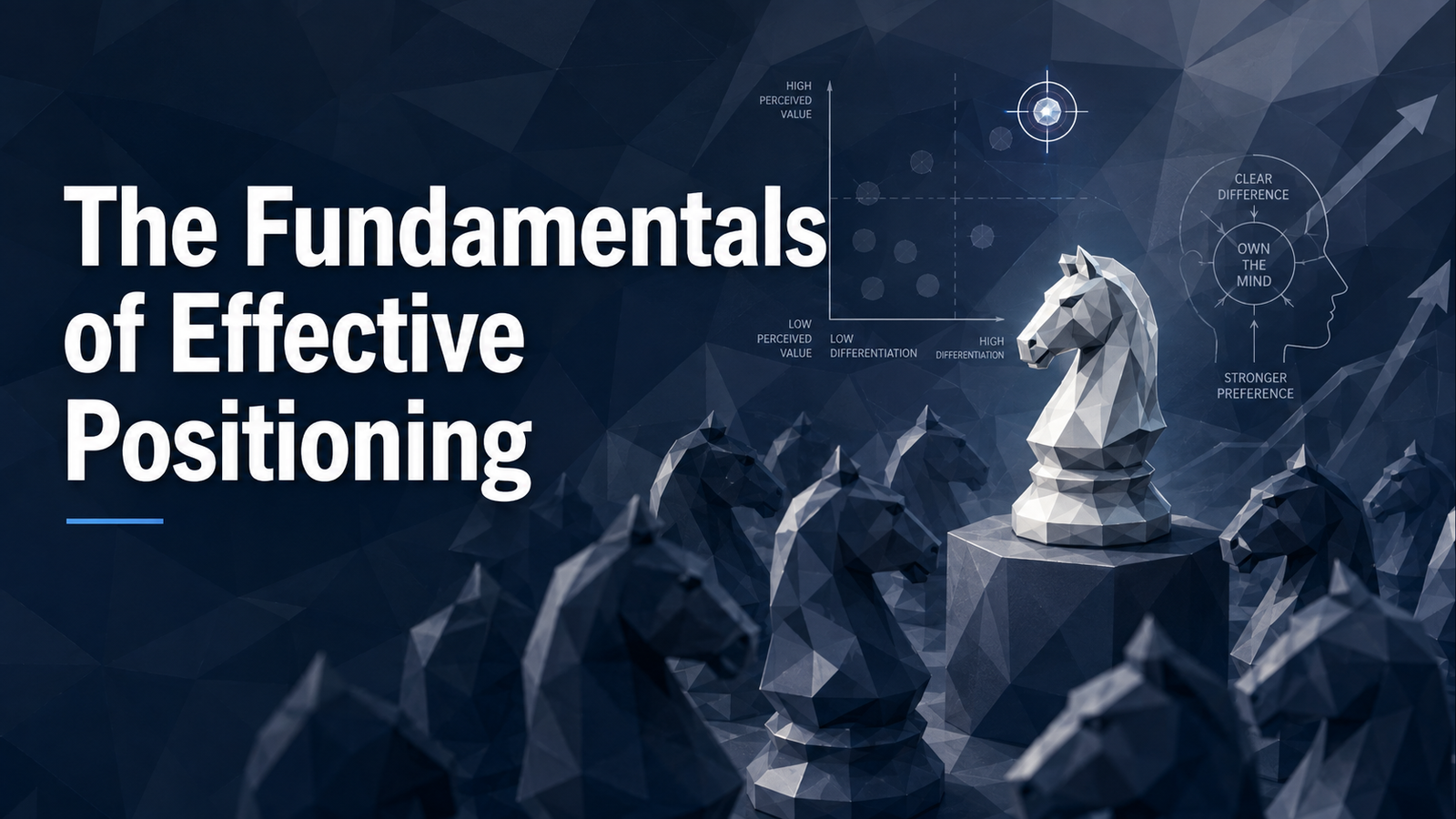
When I repositioned Catchpoint’s internet monitoring product, the unlock wasn’t a longer feature list — it was picking the segment (digital experience-obsessed enterprises) that valued what we already did more than anyone else did, and building the message around them specifically. I go deeper on that repositioning in Creating a Category: How Catchpoint Repositioned Itself for Leadership, and on the broader mechanics of positioning in The Fundamentals of Effective Positioning.
2. People buy emotionally, then justify rationally
Nobody buys a Peloton because of the specs on the flywheel. They buy the version of themselves the purchase represents, then use the specs to defend the decision to their spouse. This is uncomfortable for marketers trained to lead with proof points, but it’s the honest sequence: emotion opens the wallet, logic signs the check.
Practically, this means your top-of-funnel content should sell identity and outcome — who this makes you, what changes for you — and save the feature comparisons for the bottom of the funnel, where the rational justification actually gets used.
3. People buy experiences, not products
Starbucks isn’t selling coffee at four times the diner price — it’s selling twenty minutes of a particular kind of calm, a laptop-friendly seat, and a cup with your name spelled wrong on it. The product is often the least differentiated part of a premium offering; the experience wrapped around it is where the margin lives.
This is why premium brands obsess over the parts of the journey that have nothing to do with the core product: the unboxing, the onboarding call, the way a return is handled. Those moments are where “premium” gets proven or disproven.
4. Price communicates value — don’t apologize for it
A low price is a signal too, just not the one most companies intend. Pricing something aggressively low to “compete” often tells the market the product isn’t worth much, which then requires more selling effort, not less. Premium pricing, held with confidence, does some of the positioning work for you before a salesperson ever opens their mouth.
The mistake I see most often is discounting during the demo. It undoes in five minutes what months of premium messaging built — a version of the same discipline I write about in The Trust Equation: The Foundation for Value-Based Selling. For the most extreme version of this principle in action, see how a watchmaker with zero heritage out-priced Patek Philippe on day one in Richard Mille: How a Marketer Out-Positioned Two Centuries of Watchmaking.
5. Packaging communicates value
“Packaging” is broader than the box — it’s every surface where the customer forms a judgment before they’ve used the thing. Website design, proposal formatting, the weight of the paper on a print piece, the polish of a login screen. Enterprise software is just as guilty of shabby packaging as consumer goods, and it costs just as much in perceived value. A brilliant product with a sloppy interface reads as a mediocre product.
6. Happy, empowered employees create value
Premium experiences are delivered by people, and people who feel disposable deliver disposable service. This is the point that gets cut first when budgets tighten, and it’s the one with the longest memory in the market — customers remember the employee who went out of their way far longer than they remember the ad that got them in the door. Southwest and Ritz-Carlton are different price points telling the same story: invest in the people, and the premium experience takes care of itself.
The through-line
None of these six points work in isolation. Segment focus without emotional storytelling is just narrow targeting. Great experience without confident pricing leaves money on the table. Premium positioning is a system, and like most systems, it breaks quietly wherever one part is neglected rather than dramatically all at once.
That’s the part most “premium positioning” advice skips — and it’s the part worth getting right. (For more on refusing to compete on the market’s terms, see Think Like a Grandmaster: 7 Strategy Lessons from Garry Kasparov.)
This post is a refresh of a talk I originally gave to the American Marketing Association Austin chapter back in 2012. The core ideas held up better than I expected — the original slides are still worth a look: Taking a Premium Position in the Market.
Here are my slides: