
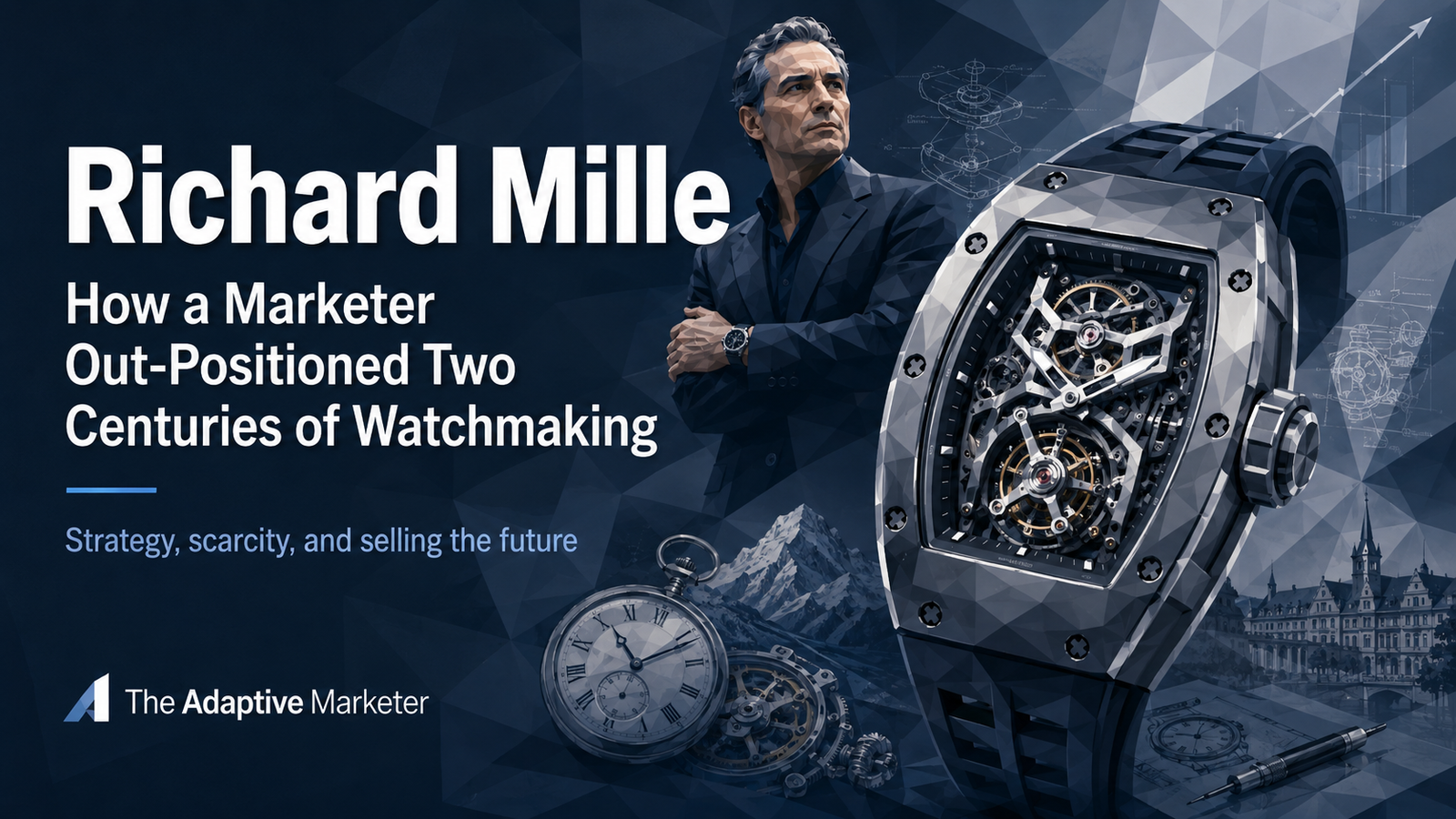
In 2024, the most prestigious names in Swiss watchmaking had a hard year. Vacheron Constantin — founded in 1755 — saw sales drop around 14%. Jaeger-LeCoultre fell roughly 18%. The Swatch Group, which owns Omega, Longines, and Tissot, watched its operating profit collapse by 75%. Swiss watch exports declined overall.
In that same down market, a brand that did not exist until 2001 grew. Richard Mille sold roughly 5,700 watches and brought in about $ 1.77 billion in revenue in 2024 — making it the sixth-largest watch brand in the world by revenue while producing fewer watches than almost every competitor above it. Its average price per watch sits around $300,000. To put that in perspective, Rolex — a company most people associate with the top of the market — sells at an average price near $16,000 and produces roughly 200 times more watches every year.
Let that sink in. A brand with no heritage, no nineteenth-century founder, no historic complication to its name, walked into the single most heritage-obsessed category in all of luxury — and now commands the highest price per unit in the entire industry.
Here is the part that should interest every marketer and strategist: Richard Mille, the man, was not a watchmaker. He studied marketing. His competitors descended from master horologists; he came up through marketing and industrial production at Finhor, Matra, and the jeweller Mauboussin. He is best described not as a craftsman but as a luxury-industry executive who understood positioning at a level the entire industry had forgotten was possible.
This is a positioning story. And it is one of the cleanest examples I have ever seen of a principle I come back to constantly: you do not win by being a better version of the incumbent. You win by changing what the category is about.
Oliver Müller, a watch industry expert from LuxeConsult said it simply: ‘The product is very strong, but the sexiness of the brand is that they have a pricing power which is beyond anything normal or comparable.’
The Trap Everyone Else Accepted
In the 90s the rules of the luxury watch category were settled. The brands that mattered — Patek Philippe, Vacheron Constantin, Audemars Piguet — competed on heritage. The implicit promise was continuity: we have been doing this for centuries, our founder invented a mechanism, you are buying a piece of history. Patek’s own famous line — you never actually own one, you look after it for the next generation — is heritage distilled into a tagline.
If you are a new entrant, this is a brutal frame to compete in. Heritage is the one attribute you cannot manufacture, buy, or accelerate. Most challengers decide to compete on price or with technology (price-value), aiming to be the alternative that has some of the prestige but at a more accessible price.
Richard Mille decided to do the exact opposite, refusing to accept this paradigm.
The man himself said he wanted to “create a new business model, far removed from traditional marketing strategies” — a brand-new ultra-high-end segment within an already high-end business. He was not trying to climb the existing ladder to compete with the existing players. He decided to create an entirely new level building above them.
Selling the Future Instead of the Past
The strategic insight at the heart of the brand is almost absurdly simple once you see it. Every serious competitor sold the past. Richard Mille decided to sell the future.
His watches do not reference pocket watches, engraved movements, or 1850s tradition. They reference Formula 1, aerospace, and motorsport. He called them “racing machines on the wrist.” The first model, the RM 001 Tourbillon, used materials you would expect in a fighter jet rather than in your jewelry box. Their first design came with a carbon nanofiber levered bridge and a skeletonized, engine-like architecture that showed the beautiful mechanism.
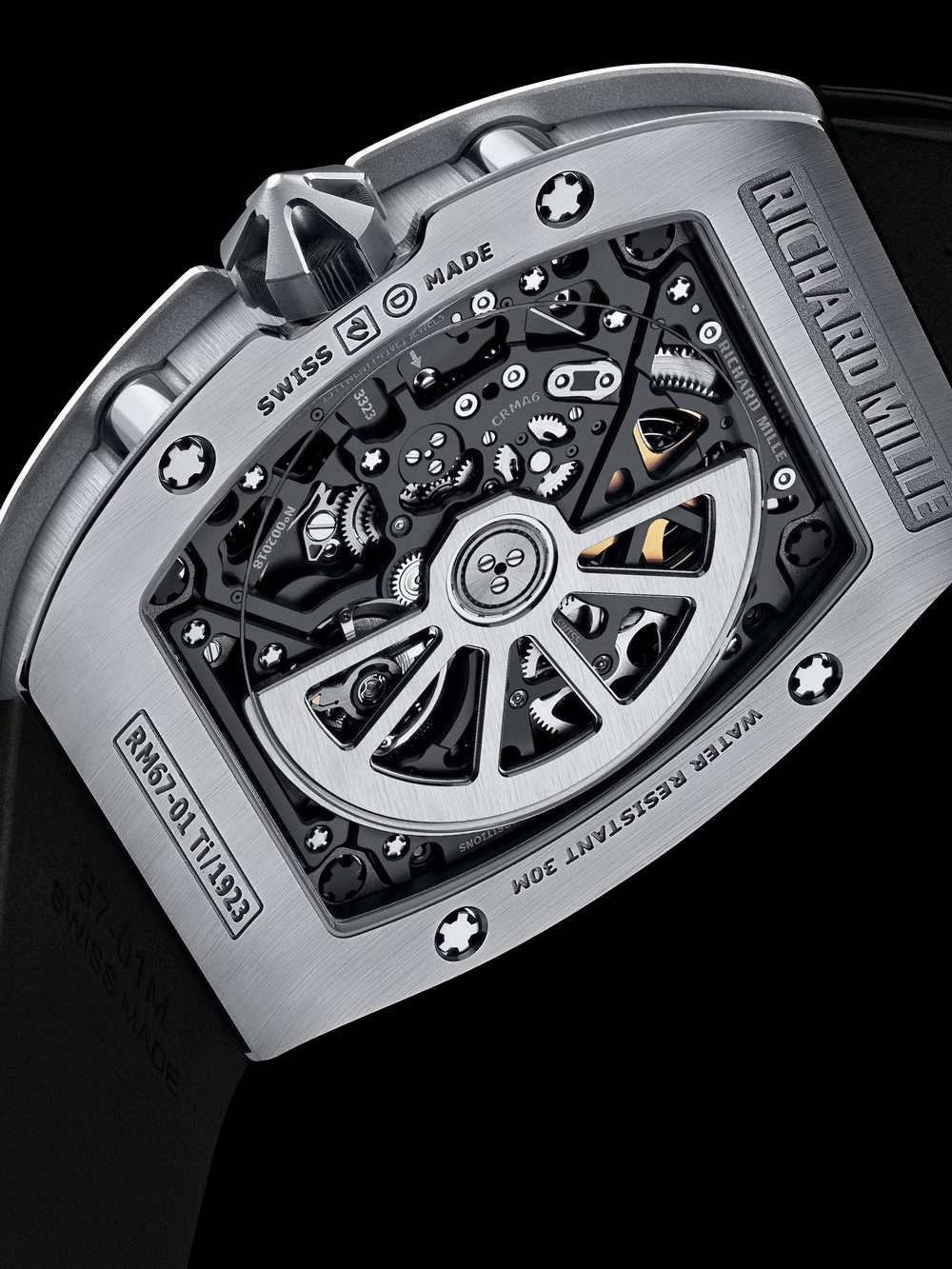
Then he did something genuinely radical: he priced the first watch at $135,000 (about $240,000 in today´s dollars) — far more than a comparable tourbillon from Patek Philippe, the brand everyone considered the summit. A complete unknown, a new brand, priced at over twice the most revered name in the business, on day one.
This was not arrogance. It was positioning logic. In luxury, price is not just a number — it is the single loudest signal of where you sit in the hierarchy. Price communicates value. Pricing below the incumbents would have said “lesser version.” Pricing above them announced a new tier above the old summit, and dared the market to argue. The avant-garde watchmaker Max Büsser described the launch as “ballistically bonkers” — which is exactly what made it work. The boldness was the message.
Then, Richard Mille went bolder: The RM 56-02 Sapphire watch which featured a one atom-thick graphene composite, was priced at $2.2 million. The lesson here is that when you have a genuinely differentiated position, underpricing it to play it safe doesn’t lower your risk — it destroys the very perception you are trying to build. Price is part of the position. Price is part of the marketing.
The Billionaire’s Handshake: Proof by Association
A new brand has a credibility problem money alone cannot solve. You can build a remarkable product, but in luxury — where the buyer is purchasing identity and status more than function — the watch has to mean something. Heritage brands solve this with history and tradition. Richard Mille had none, so he borrowed it.
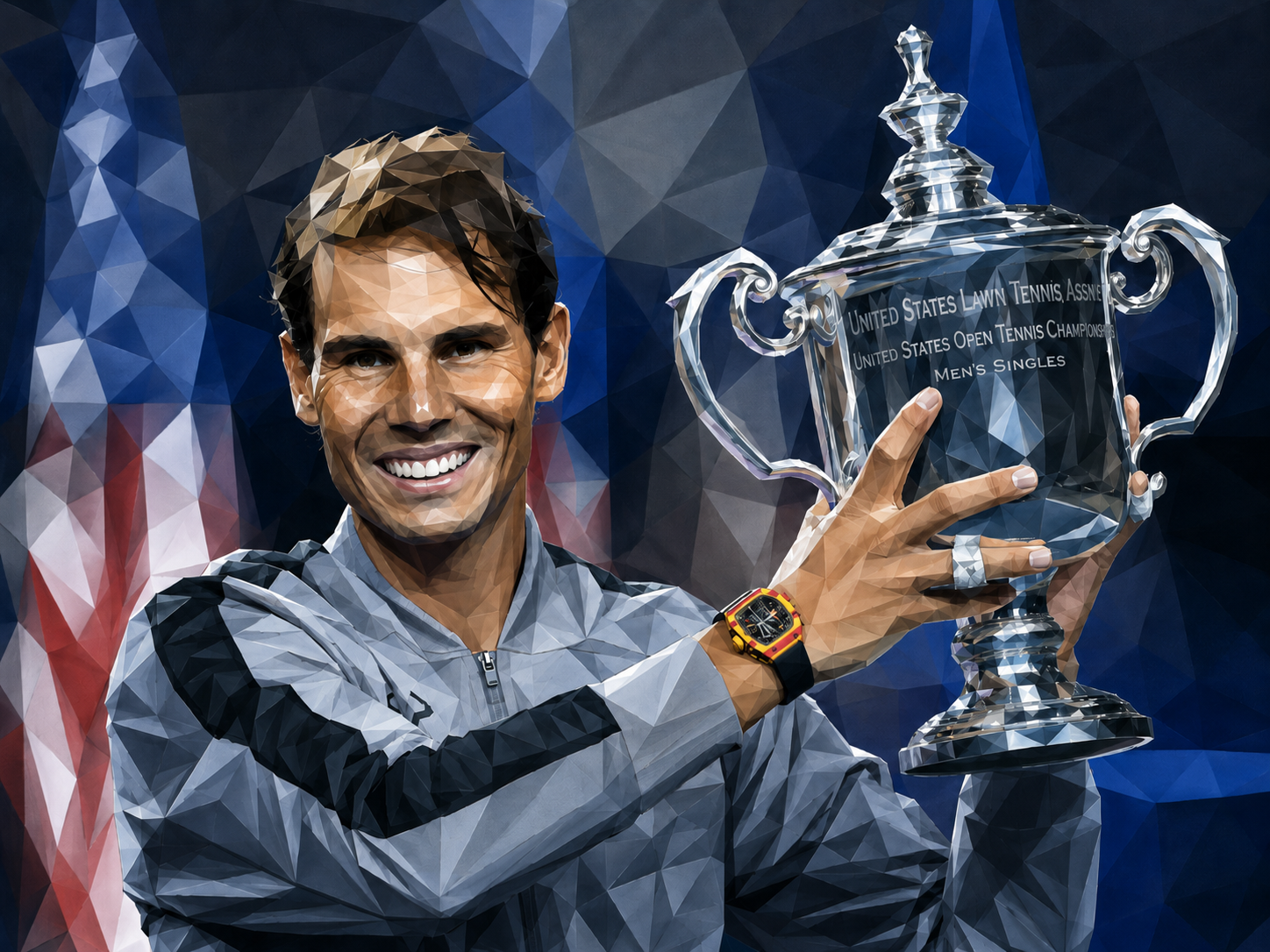
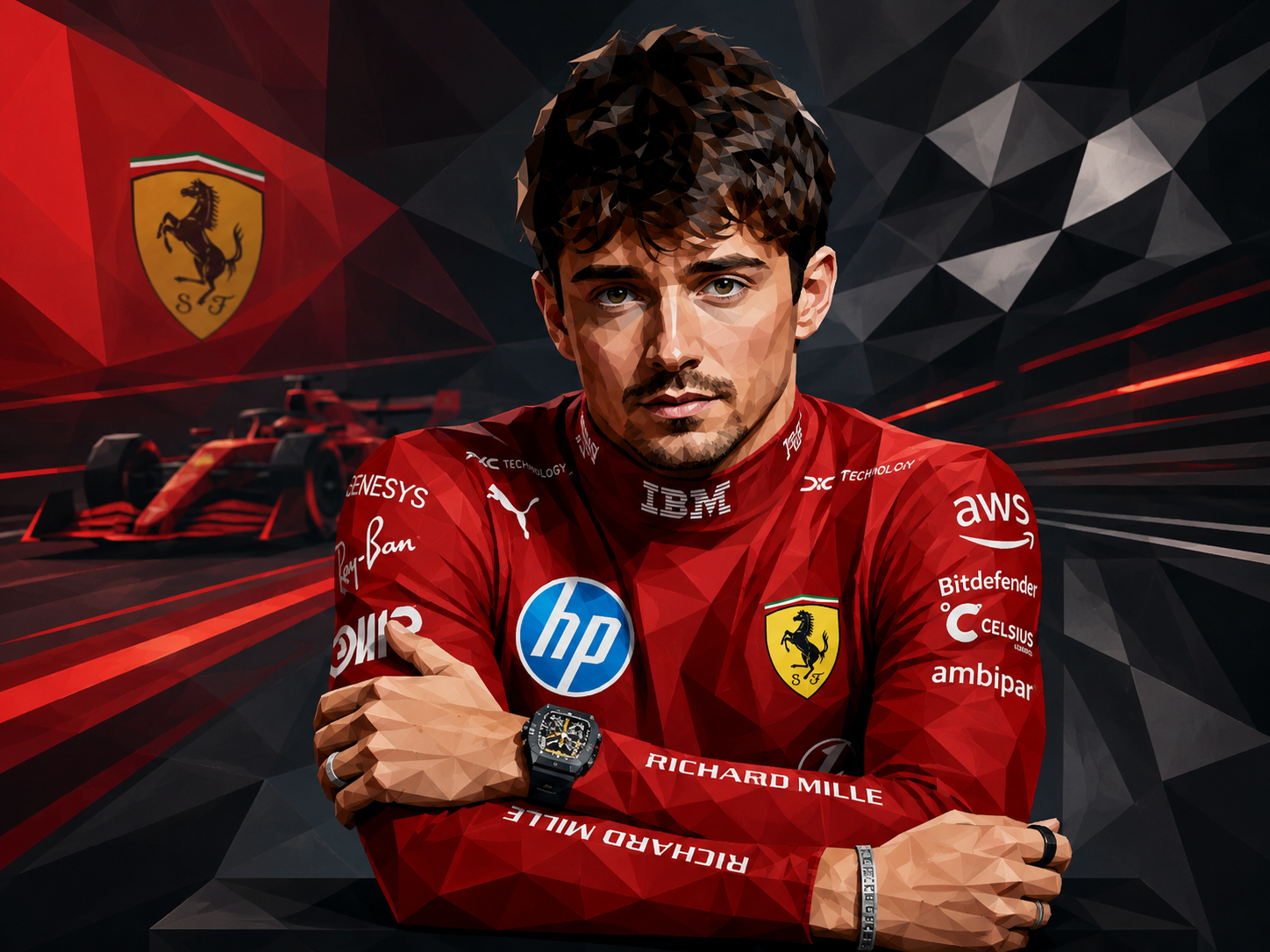
He put his watches on the most admired performers on earth and let association do the work. The brand partnered with athletes — Formula 1 driver Felipe Massa, golfer Bubba Watson, and most famously, the tennis legend Rafael Nadal. The RM 27-01 Rafael Nadal Tourbillon watch, was the lightest tourbillon ever made at 18.8 grams (including strap). Crucially, the watches were not props. Nadal actually wore his on court, through full matches, in tournaments he won.
When Felipe Massa crashed at the Hungarian Grand Prix and walked away with the watch intact, the brand’s entire indestructible engineering claim was demonstrated in front of a global audience. He didn’t advertise durability. He let a crash at 180 mph prove it. The marketing was the product, and the product was the marketing.
The message to the market was never spoken aloud, which is precisely why it worked: the most elite, boundary-pushing humans alive choose this brand. Decide what that says about you. The watches earned the nickname “the billionaire’s handshake” — a quiet signal recognized by people who already belong, and aspired to by everyone who wants to. You cannot buy that kind of meaning with a campaign. You build it through deliberate, consistent association with what your audience admires.
Richard Mille understood positioning is not the tagline you include in an advertisement. Positioning is how your brand is perceived in the mind of the customer. The act of positioning is how you influence that perception.
Scarcity as a Strategy, Not an Accident
At this point, most brands, experiencing success, drunk on demand, would have stepped on the gas. Richard Mille did the opposite, and it is a discipline that must be admired. Only 50 Rafael Nadal watches were produced in the first year. The brand also almost entirely direct to consumer, owning its boutiques and its client relationships rather than diffusing them through third-party retailers.
Even as demand exploded, production has grown slowly and deliberately from roughly 2,500 a year in the early 2010s to about 5,700 watches per year today. Rolex produces that every two days.
This is scarcity as deliberate strategy. By keeping supply structurally below demand, Richard Mille created the conditions where its watches routinely sell on the secondary market for around 40% above retail — a near-impossible feat for most of the industry. The watch became an appreciating asset, which is itself a marketing message: owning one is not consumption, it’s an investment. That perception drives even more demand, against the same fixed supply, which drives prices higher still. A self-reinforcing loop, by design.
The temptation to satisfy demand is one of the most dangerous forces in business, because it feels like simply giving customers what they want. But in a position built on exclusivity, every extra unit you produce slightly devalues every unit already out there. Richard Mille understood that protecting the position was worth more than the marginal revenue. That restraint is a competitive moat.
Independence as the Enabler
About a decade ago, the brand reportedly came close to selling a controlling stake to Kering, the group behind Gucci, in a deal valuing it around $340–400 million. Kering walked away. By one estimate, the group would have made ten times its money by now. Richard Mille stayed independent, which allowed it to preserve its strategy without having to answer to corporate greed for quarterly improvements in performance.
As the CEO of its EMEA division puts it, independence lets the brand “never look over its shoulder at what other watch brands were doing” and prioritize quality and scarcity over volume — exactly the discipline a publicly traded company chasing growth targets cannot maintain.
The financial result of all this restraint is anything but restrained. The EMEA division alone produced $170 million in profit in 2024. Scarcity, independence, and pricing power are not three separate strategies. They are one integrated system, and each reinforces the others.
What This Means for the Rest of Us
You are probably not building a million-dollar watch. But the strategic principles behind Richard Mille travel further than the watch case they came in:
- Don’t accept the category’s existing frame. The incumbents had defined luxury watchmaking around heritage. Mille didn’t compete on it; he changed the conversation from the past to the future. When you find yourself fighting on a dimension where the leader is structurally unbeatable, that is the signal to change the dimension, not to try harder.
- Your strongest differentiator is the one competitors can’t copy. Heritage was in Patek’s favor. So Mille built his own unique asset — a distinctive design language and engineering story so specific it became instantly recognizable and impossible to imitate without looking like a knockoff. Find the thing only you can credibly claim, and build the whole position on it.
- Price is positioning. Pricing above the established summit wasn’t bravado — it was the clearest possible statement of where the brand intended to sit. If your offering is truly differentiated, pricing it like the cheaper alternative undermines the entire story.
- Borrow meaning before you’ve earned it. Mille couldn’t manufacture decades of credibility, so he associated with people who already embodied his values, and let them prove the product in real conditions. Association is one of the fastest ways to transfer meaning to a young brand, as long as the proof is real.
- Protect the position even when growth is on the table. The discipline to leave demand unmet, to grow slowly, and to stay independent had a short-term revenue impact. They also built the most profitable per-unit business in the industry. Sometimes the most strategic move is the one that does not show up positively on the quarterly report, but builds on a strategy that produces sustained results in the long run.
Competitors Failed the Discipline Lesson
The playbook Richard Mille followed only works with the discipline attached — ask HYT. Many other brands tried avant-garde engineering, ultra-high pricing, and independence from a conglomerate. One example is HYT, which launched in 2012 with a novel technology such as liquid-filled capillaries instead of hands, and built the same cult following among collectors that Richard Mille enjoys. It filed for bankruptcy in 2021.
The reason, in its own post-mortem, wasn’t the engineering. It was discipline: HYT built more watches than the market wanted, and priced them too low to be exclusive but too high to compete on volume: stuck in the middle.
A half-dozen other independent watchmakers chasing the same “boundary-pushing outsider” position: Franc Vila, MCT, Cabestan, Romain Jerome – they all folded within a decade of launching.
The lesson is that the success of the strategy is not the result of being the first to think of it, but that almost nobody has the nerve to actually run it with the discipline to turn away revenue, refuse outside capital, and hold a price.
Conclusion
Richard Mille didn’t out-work the giants of Swiss watchmaking. He didn’t out-spend them, and he certainly didn’t out-heritage them. He out-positioned them by refusing to play the game they had already won, and inventing one only he could.
That is the whole discipline of strategy in a single brand. Most companies spend their lives trying to climb someone else’s ladder. The rare ones build their own.
You don’t win by being a better incumbent. You win by changing what the category is about.